What Makes a Residential Development Truly Premium: 10 Signs of a High-Quality Project
1. An Exceptional Location
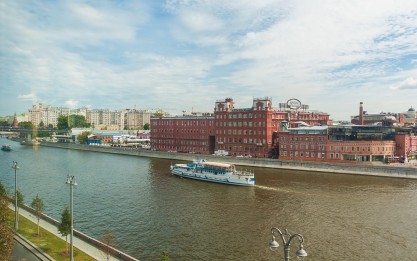
A premium development starts with the right location. It is not simply about being in a prestigious district, but about the specific setting of the building: its surroundings, transport links, views, noise levels, proximity to parks and waterfronts, and access to educational, cultural and lifestyle amenities.
Location remains the one factor that cannot be changed or upgraded later.
2. Architecture That Stands the Test of Time
Good architecture is not about following a trend. It is about creating a development that remains relevant ten or even twenty years after completion.
A distinctive architectural concept, high-quality natural materials, carefully considered façades and attention to detail give a residential project its own identity and contribute significantly to its long-term value.
3. Privacy and a Club-Like Format
One of the defining characteristics of a premium residential development is a limited number of residences.
Fewer apartments generally mean greater privacy, less pressure on shared facilities and a more comfortable living environment. This is one of the reasons boutique and club-style developments continue to attract buyers in the luxury residential segment.
4. Well-Designed Floor Plans
In the premium segment, it is not the size of an apartment alone that matters, but how effectively the space is organised.
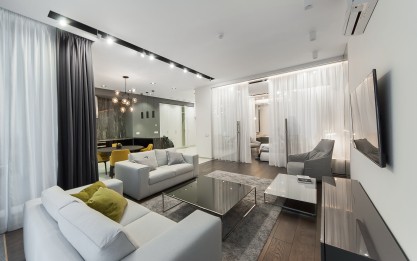
High ceilings, panoramic glazing, spacious kitchens and living areas, master suites, dressing rooms, a sufficient number of bathrooms and a minimum of inefficient corridors all contribute to the quality of a residence. These characteristics also play an important role in its long-term appeal and resale potential.
5. Advanced Engineering and Building Systems
Engineering is one of the most underestimated characteristics of a high-quality residential development.
Modern ventilation and air-conditioning systems, effective sound insulation, advanced water purification, high-speed lifts, backup power systems and smart building-management technologies all contribute to a level of comfort that residents experience every day.
In our experience, engineering systems often become much more appreciated several years after a building is completed. Buyers do not always pay close attention to ventilation, sound insulation or the technical infrastructure of a building when making their initial decision. Yet these features have a direct impact on everyday comfort and can ultimately be one of the reasons why seemingly comparable residential developments begin to differ significantly in terms of demand and property values over time.
6. Amenities Designed for Residents
Today's buyers increasingly consider not only the apartment itself, but also the lifestyle offered by the development.
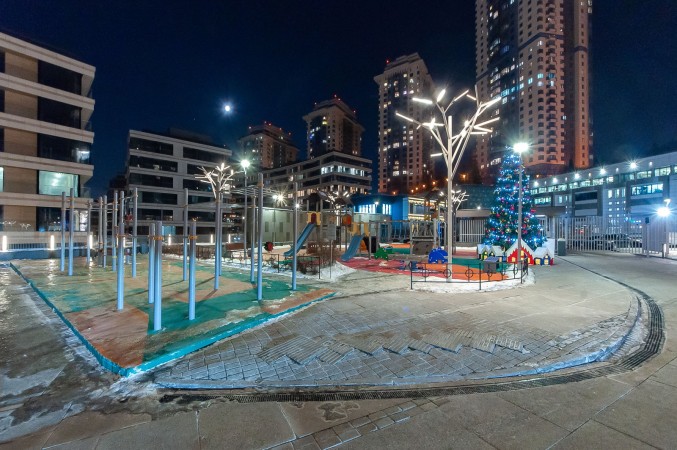
Private landscaped courtyards, fitness facilities, spa areas, residents' lounges, meeting rooms, children's spaces, bicycle and stroller storage and other dedicated amenities are becoming an integral part of modern premium real estate.
However, amenities should serve a genuine purpose. They need to be actively used by residents rather than exist primarily as a marketing feature.
7. Professional Property Management
Even the most carefully designed residential development can lose its appeal if it is poorly managed.
Regular maintenance of engineering systems, a consistently high level of service, security, cleanliness of common areas and professional day-to-day management all have a direct impact on residents' comfort and the preservation of property values.
Our experience in the premium residential market shows that the quality of property management can have a significant effect on a development's long-term investment appeal. Even projects built by the same developer and located in comparable areas can perform very differently in terms of property values after several years. The difference is often linked to the quality of building management, the condition of common areas, the level of service and the ability of the management company to preserve the original concept and standards of the development.
8. Security and Privacy
For luxury property buyers, security has long gone beyond having a security guard at the entrance.
Controlled access, 24-hour video surveillance, private entrances, modern security systems and a high level of confidentiality are increasingly considered essential elements of a genuinely premium residential project.
For many buyers, privacy itself is a form of luxury - the ability to move around their home and its shared spaces without unnecessary contact with strangers or excessive foot traffic.
9. A Consistent Residential Concept
In a premium development, the quality of the individual apartment is only part of the equation. The environment in which residents live is equally important.
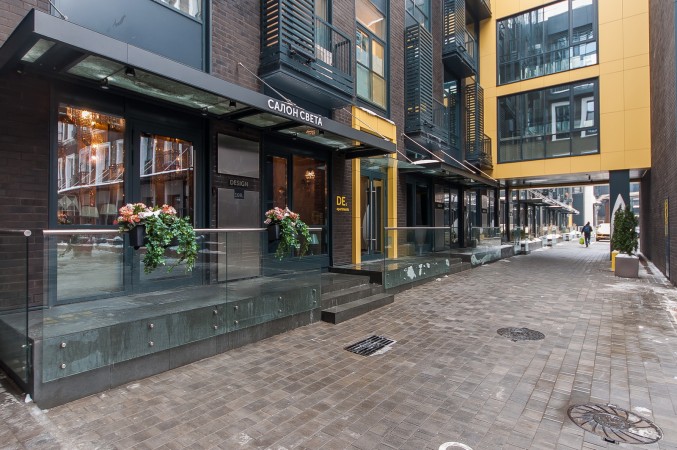
A carefully controlled amount of commercial space, a coherent architectural concept, consistently high maintenance standards and thoughtfully planned amenities create a distinctive atmosphere that separates genuinely high-quality developments from simply expensive residential buildings.
The strongest projects tend to have a clear identity that is maintained throughout the building - from the façade and entrance halls to landscaping, amenities and day-to-day management.
10. Long-Term Liquidity
Perhaps the most important sign of a truly premium residential development becomes apparent years after completion.
High-quality projects continue to attract buyers, maintain strong demand and preserve their value even when market conditions change. Long-term liquidity is therefore one of the clearest indicators that a development has genuinely succeeded in delivering what it promised.
A project should not be considered premium simply because its apartments are expensive today. Its real quality becomes evident when it remains desirable and competitive five, ten or fifteen years later.
Final
A truly premium residential development is the result of a combination of architecture, location, engineering, privacy, amenities and professional management.
Its value is not defined by a single feature, but by how successfully all these elements work together. This is why evaluating a residential project requires looking beyond the price per square meters and beyond the marketing language used by the developer.
Buyers of premium real estate are increasingly assessing not just an individual apartment, but the quality of the development as a whole. For this reason, a professional assessment of the project has become just as important as selecting the right residence.
A comprehensive approach makes it possible to evaluate the property's long-term potential, understand its future liquidity and make a well-informed decision - one that is designed to preserve both the quality of living and the value of the investment for many years to come.